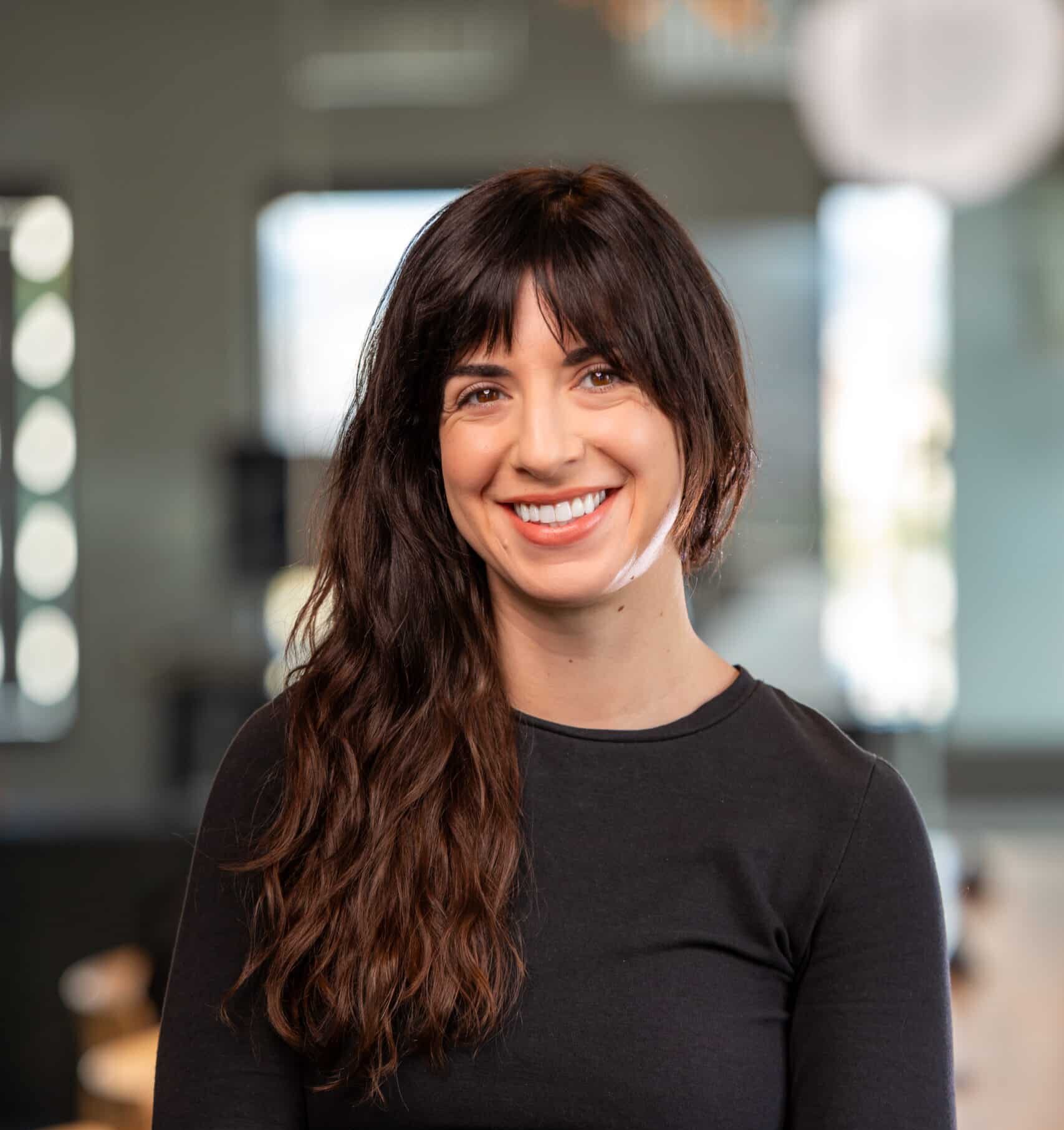
Reflections from Kat Lazell, Senior Program Manager, CIC Social Impact Program
What a year.
While 2024 marked the launch of our Social Impact Program, 2025 was the year we really solidified our role as connectors for underrepresented founders. It was also a year of real challenge.
National funding trends shifted dramatically. Crunchbase’s Q3 2025 analysis showed that while overall startup investment ticked upward, the majority of that growth was driven by AI megadeals. Early-stage founders outside that sector faced smaller checks, tighter competition,
and a rapidly shrinking pool of non-dilutive funding. Federal cuts to education and community institutions further intensified the pressure and disproportionately impacted underrepresented founders.
We saw the effects directly through our program. In our most recent application cycle, we received a record number of applications, signaling just how many founders are seeking spaces rooted in trust, access, and equity.
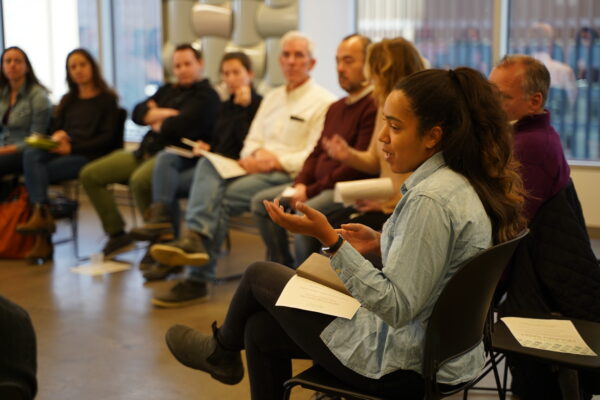
Despite these obstacles, our founders continued to show up for themselves and each other. The 28 early- and growth-stage program participants from 2025 met the year with grit, creativity, and a willingness to lean on their fellow cohort members. They reminded us that community is not a supporting feature of this work: it is the work.
Here’s what I am taking away from 2025.
- Community remains our greatest strength. Across both cohorts, we watched founders show up for one another by sharing resources, troubleshooting challenges, and celebrating wins. These relationships formed quickly and deeply, becoming a defining feature of our program culture. And because of the broader community surrounding this program, including mentors, alumni, and supporters near and far, our founders did not have to build alone.
- Partnerships amplify impact. With non-dilutive funding tightening nationwide, partnerships played an essential role. Ecosystem collaborators stepped in with guidance and access to networks that materially shaped founder outcomes.
- Demand is rising, and so is our responsibility. Record applications this year reaffirmed the need for programs intentionally designed for underrepresented founders. As demand grows, so does our responsibility to ensure equity, belonging, and access remain at the center of everything we build.
- The founder’s voice and vision must remain our top priority. We are often asked how we define success and what metrics founders need to hit to be considered successful in this program. Our answer is always the same: their growth is not for us to define. We encourage founders to advocate for what they need and create space for them to turn down resources that don’t serve them at that moment. Empowering founders to define their own visions, and providing them with the tools to get there, is our focus.
Thank you to all the founders, mentors, speakers, and partners that helped make this year so impactful. This work would not be possible without you.
Sincerely,
Kat Lazell
Senior Program Manager
CIC Social Impact Program